KABLOONAS

KABLOONAS
Burial of John Franklin. Author: me

KABLOONAS

Kabloonas is the way in which the Inuit who live in the north part of Canada call those who haven´t their same ascendency.

The first time i read this word was in the book "Fatal Passage" by Ken McGoogan, when, as the result of the conversations between John Rae and some inuit, and trying to find any evidence of the ill-fated Sir John Franklin Expedition, some of then mentioned that they watched how some kabloonas walked to die in the proximities of the river Great Fish.

I wish to publish this blog to order and share all those anecdotes that I´ve been finding in the arctic literature about arctic expeditions. My interest began more than 15 years ago reading a little book of my brother about north and south pole expeditions. I began reading almost all the bibliography about Antarctic expeditions and the superknown expeditions of Scott, Amundsen, Shackleton, etc. After I was captured by the Nansen, Nobile and Engineer Andree. But the most disturbing thing in that little book, full of pictures, was the two pages dedicated to the last Franklin expedition of the S.XIX, on that moment I thought that given the time on which this and others expeditions happened, few or any additional information could be obtained about it. I couldn´t imagine that after those two pages It would be a huge iceberg full of stories, unresolved misteries, anecdotes, etc. I believe that this iceberg, on the contrary than others, would continue growing instead melting.


domingo, 15 de julio de 2012

REMORDIMIENTOS / REMORSE

Remorses in KWI_Author: me
Como se vivieron los últimos momentos de aquellos que tuvieron la fortuna o la desgracia de ser los últimos en morir en la última expedición de Franklin es algo que sin duda será siempre motivo de conjetura. Lo que sin duda seguro algunos debieron  sentir debió de ser remordimientos por recurrir al "último recurso". No obstante analizando las fotos de los oficiales de la expedición y los restos de William Braine, sabemos que los hombres que conformaban aquella expedición eran hombres duros, experimentados, con muchas millas a sus espaldas y algunas batallas, y que durante todos aquellos viajes habían convivido con la muerte e incluso la habian invitado a cenar y por tanto la conocían bien.

How would be the last moments of those who had the lucky or the misfortune to be the last to dye in the last Franklin expedition is something that, clearly will be forever a matter of conjecture. What some should feel would be remorse to fall in the "last resource" decission. However, only studying the photographs of the officers and the corpse of William Braine, we know that the men which form that expedition were hard men, experienced, with a lot of miles after them and some battles, and that during all those voyages they had been coexisting with the death and  they had even invited her for dinner and hence they known her well.

viernes, 13 de julio de 2012

LOS HOMBRES DE BEECHEY ISLAND/ THE MEN OF BEECHEY ISLAND

No voy a decir mucho, tan solo por favor echad un vistazo a esta obra de arte,  (link al final del párrafo) de los hombres de la expedición de Franklin que fueron enterrados en la isla de Beechey, todavía no tengo palabras impresionante. Frozen in time: Los hombres de la isla de Beechey


La autora: Kristina Gherman (Maidith), En mi opinión ella es una auténtica genio.


Estuve hace poco pensando en reconstruir loe rostros de estos hombres con Photoshop para tratar de averiguar cual podría haber sido su aspecto en vida, pero después de este hallazgo, creo que no me tomaré la molestia, es una obra de arte.


I am not going to say much, only, please, take a look to this work opf art (link at the end of the paragraph) of the Franklin expedition  men buried in the Beechey Island, I am still without words, impressive!!!. Frozen in time: Los hombres de la isla de Beechey

The author: Kristina Gherman (Maidith) . In my opinion she is an real Genius.

Her work here:   http://maidith.deviantart.com

I was thinking in making the reconstruction of the faces of these boys with photoshop to guess what could have been their appearance in live, but after this discovery, I think that I am not going to do now, this is a masterpiece.

miércoles, 11 de julio de 2012

EREBUS, LA PELÍCULA/ EREBUS, THE FILM

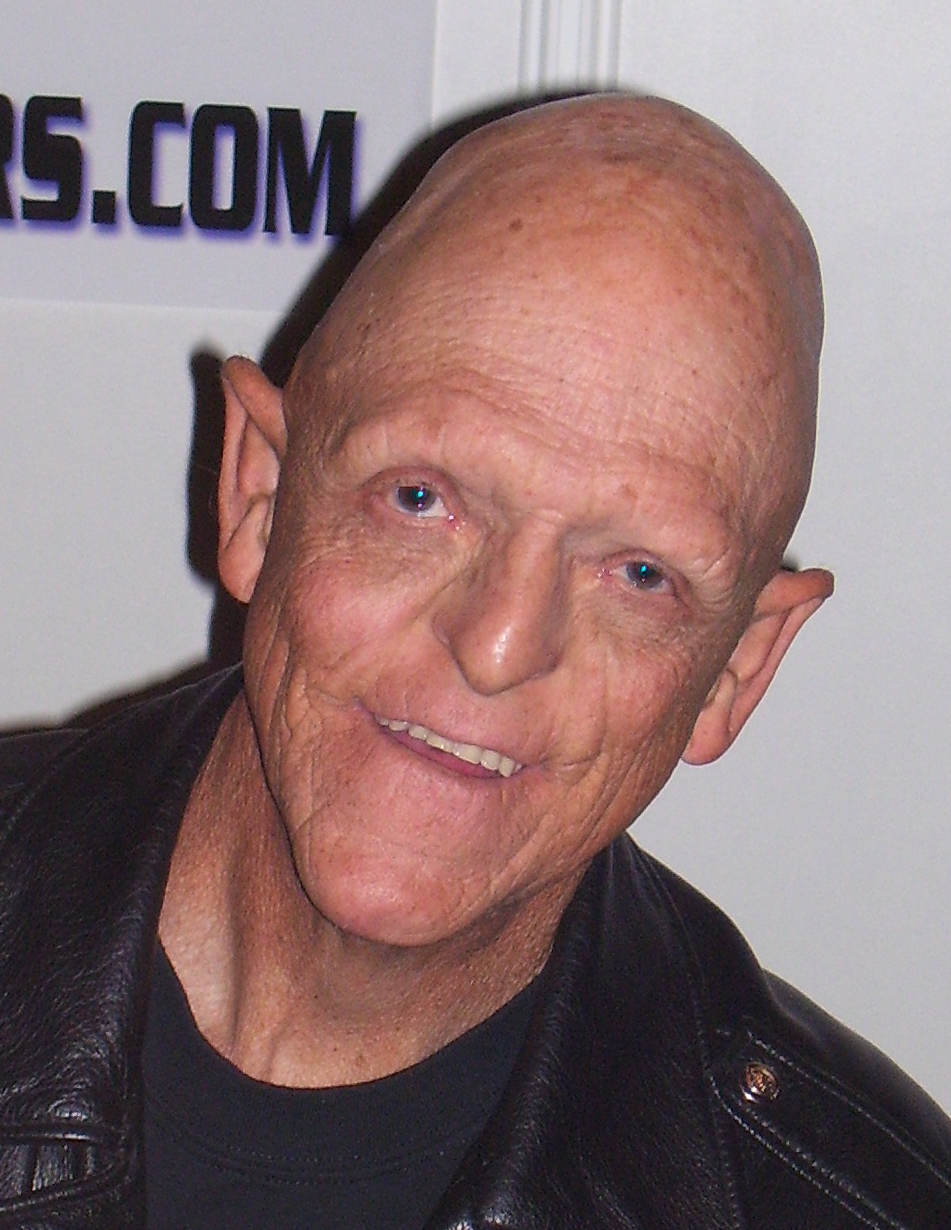
Por fín tenemos una película, pero me temo que no es histórica. Aunque puede ser divertida. Además trabaja el famoso actor de películas de terror Michael Berryman.
Michael Berryman

La película se llama: EREBUS,

Después de la novela de Dan Simons "The Terror" aparece esta película justo con el nombre del otro buque, aunque no he sido capaz de dilucidar cual es la relación exacta con el barco de la expedición de Franklin, no deja de ser curioso, y los carteles están muy bien. 

Seguiremos esperando a que alguien se anime a llevar la expedición perdida de Franklin a la gran pantalla. Cada vez que veo las nuevas películas de Sherlock Holmes no dejo de pensar en como quedaría ambientada una película hecha con los medios actuales.

At last we have a film, but I am afraid that it isn´t an historical one. Although i think that it could be funny. Besides, on it works the famous actor of terror films Michael Berryman

The film is called:EREBUS

After the novel "The Terror" by Dan Simons" appears this film just with the name of the other ship, although I haven´t been able to discover the exact conection between the script and the Franklin expedition ship, I think that the film is curious, and the posters of it are very good.

We will be waiting till someone wants to bring the Franklin lost expedition to the big screen. Each time I watch the new Sherlock Holmes films I can´t avoid thinking on how would be a movie about Franklin using the same technological means and using a similar enviroment.

ENCONTRÉ AL EREBUS/ I FIND THE EREBUS SHIP

Model of Erebus ship made by Robert Wilson.
Original location: http://www.finewaterline.com/pages/albums/rwilson/rwilson.htm
Model of Erebus ship made by Robert Wilson.
Original location: http://www.shipsnostalgia.com/showthread.php?t=17248
Permitidme el título sensacionalista, pero aquí está, lo encontré al fin. Congelado y abandoned en el ártico. La página web donde están esta y otras maquetas similares de barcos es una maravilla. Concretamente encontrar al Erebus así representado me parece una idea de lo más original. La maqueta es una preciosidad y el artista, Robert Wilson, un virtuoso, sin duda alguna, el efecto del hielo sobre el casco parece real y el tamaño es increíble.

Forgive me the sensationalist title, but here you have her. I found it at last. Frozen and abandoned in the arctic. The web page where it is with other similar models is marvelous. Particularly finding the Erebus so represented seem to me a very original idea. The model is beautiful and the artist, Robert Wilson, a virtous, without any doubt, the effect of the ice over the ship´s hull seems real and the size is incredible. 

jueves, 5 de julio de 2012

PETER RINDISBACHER EL RELEVO DE GEORGE BACK Y ROBERT HOOD/PETER RINDISBACHER RELIEVES GEORGE BACK AND ROBERT HOOD

Peter Rindisbacher_from The Lord Selkirk Association.

Peter Rindisbacher es otro artista ártico no muy conocido, a pesar de que sus pinturas son de las primeras que retrataron a las tribus indias del norte de Canadá e hizo increibles cuadros sobre la caza del búfalo. Hay 40 pinturas conservadas en los archivos de Canada. Las pinturas de Peter representan escenas desde el estrecho de Hudson hasta el asentamiento de Red River, en las proximidades del lago Winipeg.

Peter nació en Suiza y no fue el único artista Suizo que aterrizó en la bahía de Hudson a principios del siglo XIX . Peter, con solo 15 años llegó a York Factory el 17 de agosto de 1821 junto con su familia, apenas un mes después de que Franklin, George Back el Dr. Richardson y John Hepburn llegaran también a York Factory después de terminar su funesta expedición a la costa norte de Canada por la desembocadura del rio Coppermine . En el camino de hecho se cruzó con el Prince of Wales (el barco que llevó a Franklin a York Factory y donde posiblemente se encontrara de vuelta ese mismo agosto) y también con el Eddystone.

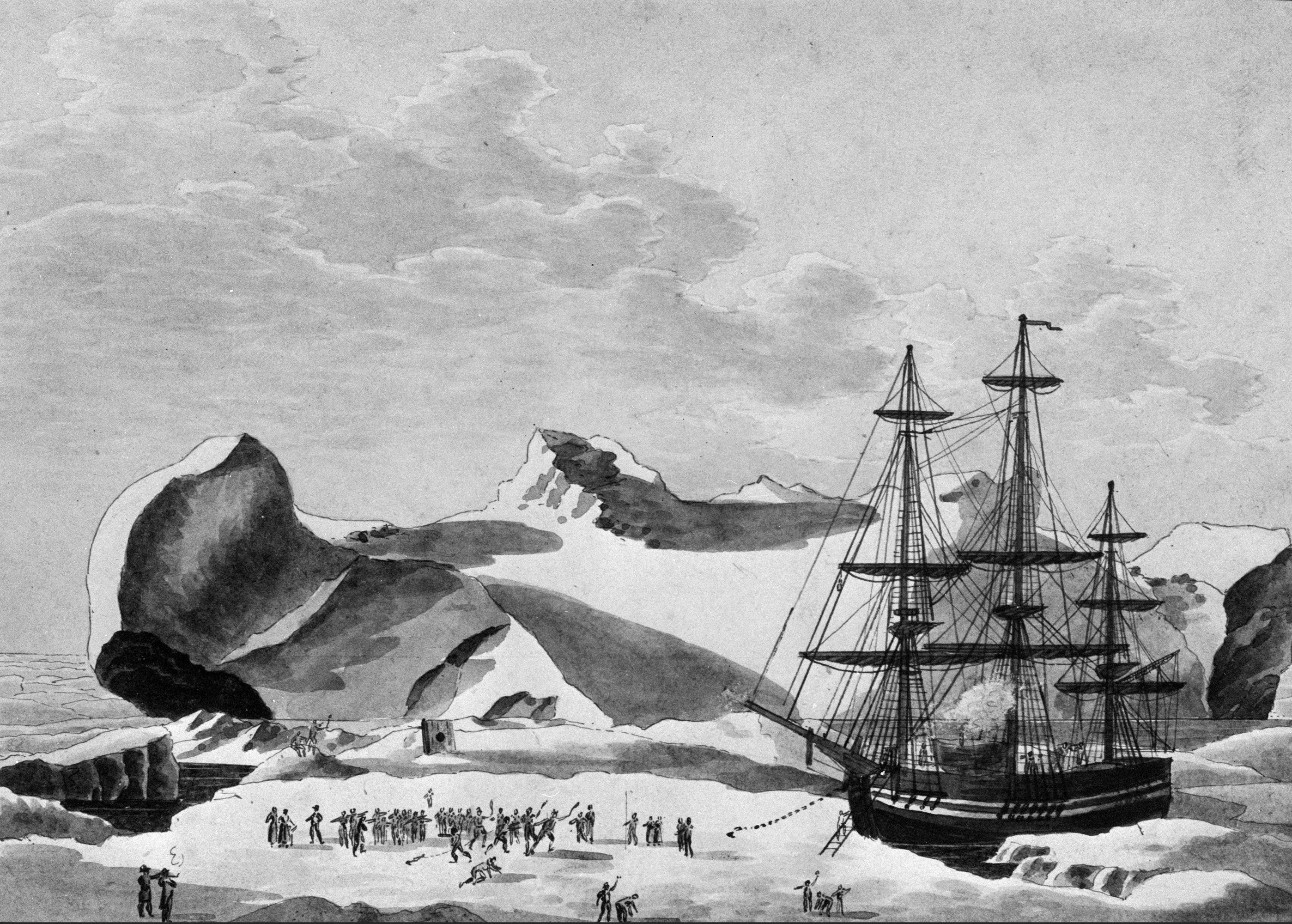
Izquierda Red River Settlement_Right barcos de la HBC atrapados en la bahía de Hudson _from wikipedia_by Peter Rindisbacher 1821.
Nada más desembarcar Peter comenzó su labor pictórica y representó imágenes como la de los esquimales remando en la bahía de Hudson en sus piráguas, los buques atrapados en el hielo en la bahía, etc.


Aquel primer invierno de 1821trabajó como clérigo y acompañó a varias partidas de caza que fueron a cazar búfalos. Estas imágenes tuvieron mucho éxito por la novedad que suponían en cuanto a lo creado hasta la fecha, por la exactitud de los temas que dibujaba y por el nivel técnico y el estilo.


La obra de Peter pasó después desapercibida  cuando hasta 1940 fue redescubierta y se considera el primer artista con residencia permanente en Canadá al oeste de los grandes lagos.La sensibilidad con la describía las cosas que veia han convertido su obra en material de estudio para historiadores, antropólogos, etc.

Parece que hay un alma de artista vagando por aquellas tierras desde que George Back y RObert Hood la pisaran en 1819 por primera vez, que ha ido sucediéndose en la forma de diferentes personas y que de hecho sigue allí vagando actualmente.  Quizás el alma de Robert Hood aunque no creo en espíritus.

Peter Rindisbacher is another arctic artist, not very well known, despite that his pictures are the first on retrait the Indian tribus of the north part of Canada and he did incredible pictures about the  hunting of the buffalo. There are 40 pictures conserved in the Canadian archives. The pictures of Peter are drawn from Hudson Strait to the Red River Settlement, near the WInieg Lake.

Peter was born in Swisstzerland but he wasn´t the only Swiss artist that landed in the Hudson Bay in the beginning of S.XIX. Peter, with only 15 years old came to York Factory the 17 of august of 1821 altogether with his family, almost a month after Franklin, George Back el Dr. Richardson and John Hepburn would come to York Factory  from their expedition to the north Canada by the mouth of the Coppermine rivero. On the way, in fact, he cross his way with the ship "Prince of Wales" (the ship which takes Franklin to York Factory and on where he likely was present in his way to come back in that moment) and with the ship Eddystone also.

Just landing there, Peter began his work and painted pictures as that of the Esquimoux paddling in their kayaks and the HBC ships trapped by the ice in the Hudson Bay. That winter of 1821 he worked as a clerk and accompanied several hunting parties to hunt buffalo. These drawings had a lot of success because their novelty compared with previous work done till then, for the accurateness of the images, and for the high skill and his style.

The Peter work pass without being known till 1940 was rediscovered and now it´s considered the first artist  with permanent residence in the west side of the great lakes in Canada. The sensitivity with whih he descrive the things he saw have become his work in subject of study to historians, antropographers, etc.

It seems that there is a spirit wandering in that land since George Back and Robert Hood  walked there for first time in 1819, and that has been changing into different people since then, and that it´s still wandering there now. Perhaps the Robert Hood soul though i don´t believe in spirits.

martes, 3 de julio de 2012

EREBUS CAMP

Erebus Camp Clear, Author: me.
Esta es mi propia interpretación del Campamento Erebus.
This is my own representation of the Erebus Camp.

sábado, 30 de junio de 2012

UN ASESINATO NO RESUELTO/ AN UNRESOLVED MURDER

Hay algunas dudas sobre como sucedió el asesinato de Robert Hood y la posterior ejecución de Michel Terohaute durante la expedición de1819 a la desembocadura del rio Coppermine, algunos hechos y testimonios parecen indicar que lo ocurrido no sucedió en circunstancias tan claras como las que el Dr. Richardson reflejó en su diario. Hay una teoría que parece indicar que los hechos narrados en la versión oficial del viaje fueron pactados por el Dr. Richardson y por John Franklin y que esconden algunos hechos que por algún motivo no se quisieron relatar.
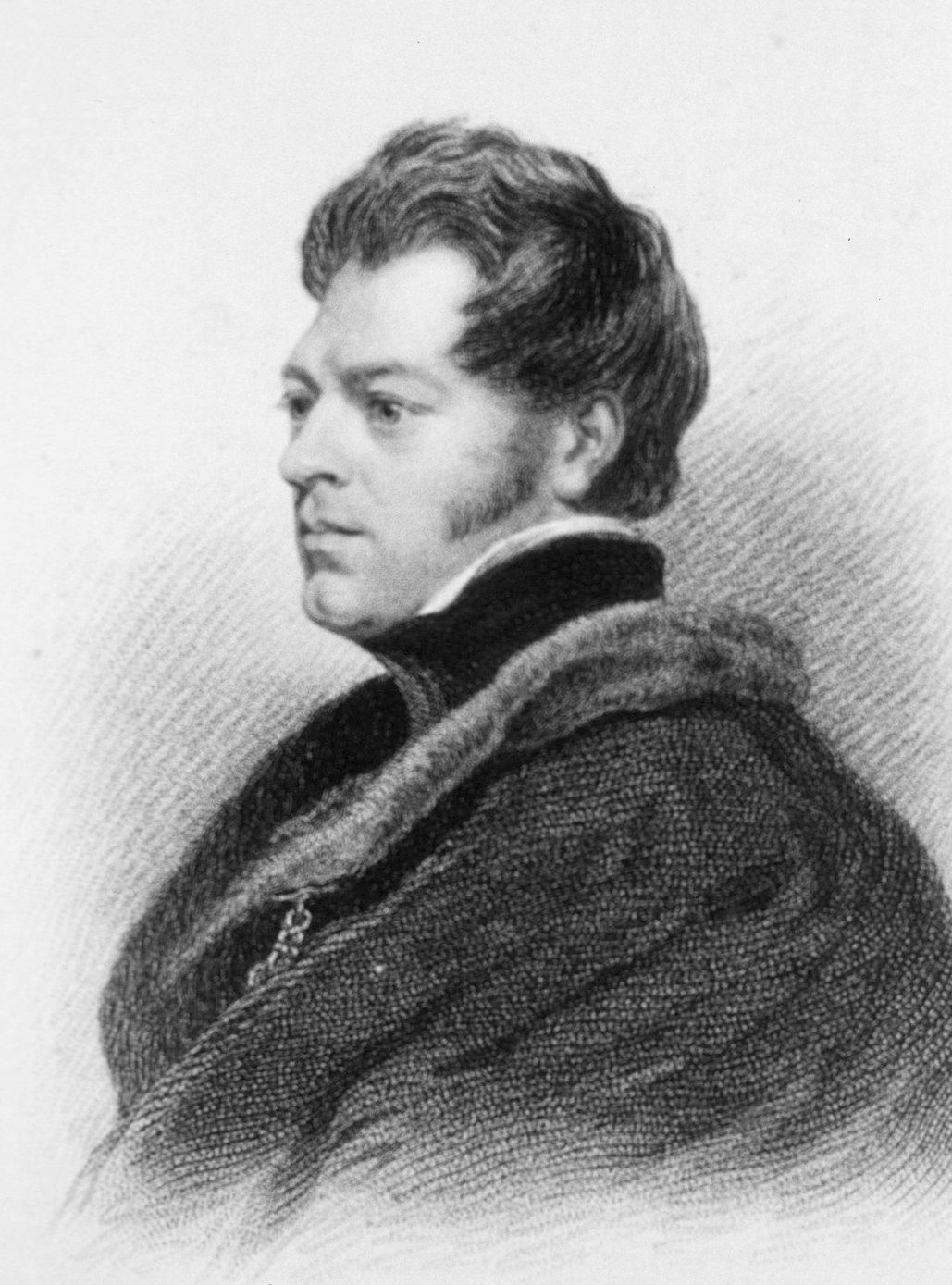
John Richardson_from Wikipedia_By T. Philips
A mi particularmente siempre me ha extrañado que el Dr. Richardson pudiese matar a Michel Terhouate de un disparo en la cabeza cuando Michel se dirigía directamente a matar a ambos tras haber cargado su arma. En ese caso Michel debía de encontrarse en un alto estado de máxima alerta y desconfianza. Supongo que un tiro certero a distancia con las armas de la época y dado el estado de debilidad en el que se encontraban Richardson y Hepburn debió de resultar una tarea difícil.

Quizás la verdadera historia realmente no sucediese tal y como la versión oficial nos ha relatado y que en el momento de la verdad hubiese un forcejeo en el que Hepburn lograra acorralar a Michel o incluso dejarle inconsciente y que posteriormente hubiese una ejecución sumaria. Nada de que avergonzarse dadas las circunstancias, creo yo, aunque si para aquellos oficiales ingleses del S. XIX. 

Quizás Richardson y Hepburn y también Hood descubrieran a que se podía haber estado dedicando Michel en sus ausencias, cuando supuestamente iba a cazar, curiosamente armado solo con un hacha y volvía al campamento con carne de un supuesto lobo, quizás la discusión de Hood fuese desencadenada por el descubrimiento de que Michel habría recurrido al "último recurso", los oficiales podrían haber tenido miedo que de contar aquella historia les hubiesen acusado también a ellos de haber recurrido a esta solución y esto si que hubiese resultado inaceptable en aquella época, como después se pondría de manifiesto con los primeros testimonios del Dr. Rae sobre el destino de la expedición perdida de Franklin de 1845.

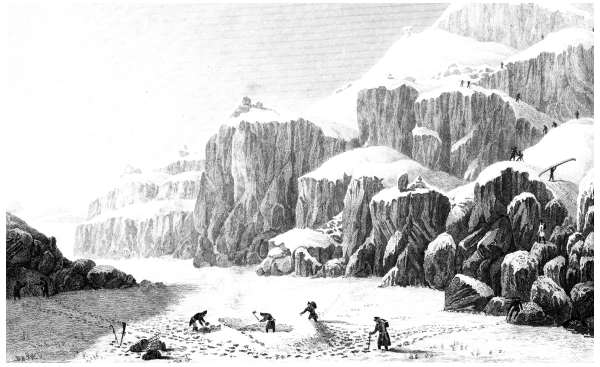
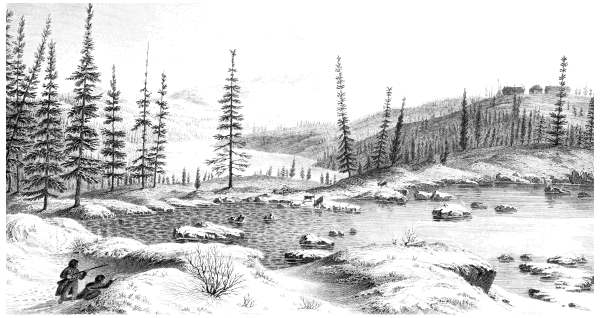
Taking liquens in the Barren Lands_from Wilkipedia_By Edward Finding after the original of George Back.

No obstante hay versiones un tanto más perversas. Dudo, tal como Fergus Flemming menciona en su fenomenal libro "Barrow Boys" (Pg. 152 de la versión inglesa) que Hepburn, y Richardson acabaran con la vida de los cuatro Canadienses y de Robert Hood para comérselos. En las Pgs 151 y 152 del libro Les Bourgeois de la Companie del Nord Ouest se levantan sospechas y se plantean preguntas como ¿porque sobrevivieron los Ingleses cuando los Canadienses se encontraban más preparados para aquel tipo de vida?. 


Mi respuesta a esta pregunta es que porque los oficiales apenas llevaban cargas pesadas, los botes y las tiendas las transportaban los Voyageurs Canadienses durante todo el camino, botes y tiendas de tamaño considerable que debían de transportar a varias personas. Probablemente los Voyageurs se encontraran en un extremo estado de agotamiento y debilidad debido a la enorme escasez de calorías que deberían de haber ingerido para suplir el desgaste debido al esfuerzo y al frío extremo al que estaban sometidos en aquellos meses de septiembre y octubre. 


Cazando y pescando en las cercanías de Fort Enterprise_From Wikipedia_ ByEdward Finding after the original of George Back.
Aunque no domino mucho el idioma Francés la traducción resumida de lo que se encuentra presente en este relato comienza reprochando que Franklin y los jefes de la expedición no rindieran los debidos honores al sacrificio de los Canadienses que perecieron en el desempeño del deber. El libro menciona que las circunstancias en las que aquellas muertes sucedieran nunca seían debidamente aclaradas. 

Wentzell, el interprete de la compañía del noroeste que les acompañó hasta la desembocadura del rio Coppermine y cuyo testimonio podemos encontrar  incriminó a Richardson por el asesinato de Michel e intentò llevarle a los tribunales, aunque Wenzell había sido acusado de falta grave por no haber provisto Fort Enterprise (el último puesto donde a duras penas llegó Franklin y algunos de sus hombres) de los viveres que acordaron antes de su separación. Wentzell que previamente había sido invitado a reunirse con los mandos de la expedición en Inglaterra fue posteriormente conminado a permanecer unos años más en los puestos avanzados del ártico. De nuevo, este hecho quizás se debiese a la falta de Wentzell al no aprovisionar debidamente Fort Enterprise. 


Pero la más misteriosa referencia a este hecho y que aún hoy deja la puerta abierta a la especulación es que George Back en una carta a Wentzell dijo exactamente estas palabras " Para decir la verdad, Wentzell, los hechos han tenido lugar de una manera que no deberían de saberse", desde luego es una misteriosa manera de no zanjar los hechos.

There is some doubts about how happened the killing of Robert Hood and the posterior execution of Michel Terohaute during the overland expedition of 1819 to the mouth of the 
 Coppermine  River, some of the facts and testimones seems to show that what happened there didn´t occurs in so clear circunstances as that Dr. Richardson wrote in his Journal. There is a theory that seems to indicate that the facts narrated on the official version of the journey were accordated by Dr. Richardson and by John Franklin and that hide some things that by any reason they didn´t want to tell.


To me, particularly it allways have been strange that the Dr. Richardson could kill Michel Terohaute of a single shot in his head when Michel adressed rigth to them after having charged his gun.


In that case, Michel should have been in a high mood of alert and distrustness. I suppose that a perfect shot in the distance with that old guns and due to the debility state on which thy were Richardson and Hepburn  should be a hard task.

Perhaps the true story didn´t happened really in the way that the official version has told us and that really in that moment a struggle happened in which Hepburn could take at Michel, even left him unconscious and that after that it was a summary execution. Nothing to blame however, given the circunstances, i think, although a blame thing to those English officers in the S. XIX.

Perhaps Richardson and Hepburn and also Hood discovered the things that had been doing Michel during his absences, when he allegedly gone to hunt, curiosly armed only with a hatchet and he returned to the camp with wolf meat, perhaps the discussion of Hood was caused by the discovering that Michel had resort to the "last resource". The officers could have been afraid to tell that story to avoid subsequents accusations and this thing would have been inaceptable in that time, as after it would emerge with the first testimonies of the Dr. Rae about the destiny of the Franklin lost Expedition in 1845.


However there are versions a little more perverse. I doubt that, as Fergus Flemming mention in his nice book Barrow Boys" (Pg. 152 of the english version)  Hepburn and Richardson could finish with the life of the four Canadians and even with the life of Robert Hood to eat them.


In the Pages 151 and 152 of the book Les Bourgeois de la Companie del Nord Ouest emerge suspicions and questions are made about: Why the English people survive while the Canadians if they were more prepared to that kind of life? My answer to this question is because the officers hardly carried heavy loads, the boats and the tents were carried by the Canadian Voyageurs during the way. Boats and tents of considerably size because they were designed to carry and lodge several persons. Likely the Voyageurs were in a extrem state of exhaustion and debility due to the lack of calories that they should have eaten to supply the deteriore of their bodies due to the extrem effort and cold during that months of september and october.


Though I don´t dominate the French (nor also the English obviously) the summary of the translations  present on this story begins reproaching that Franklin and the chiefs of the expedition wouldn´t  pay the right tribute to the sacrifice of the Canadians who died on their call of duty. The book mention that the circunstances on which that deaths occurred would never be properly clarified.


Wentzell, the interpret of the Northwest COmpany, who accompanied them to the mouth of the Coppermine River and whose testimonies we can find in the book, He incriminated Richardson by the killing of Michel and he tried to carry him to a trial, but Wentzell had been accusated of a big fault for not having supply Fort Enterprise properly ( The last post where Franklin and some of his men hardly arrived).


Wentzell who previously had been invited to have a meeting in England with the chiefs of the expedition at the end of the journey was later said to stay in the advanced forts of the arctic for some years more. Again i suppose that they took such measure because the mistakes of Wentzell for not supplying Fort Enterprise.

But the most misterious reference to this subject and that nowadays leave the door open to especulate is that George Back in a letter to Wentzell said exactly this words: "to tell the truth Wentzel, things have taken place which must not be known"., in fact it is a misteriously way to leave the things unclear. He had said previosly at him that the things weren´t gone fine between the english people since the mouth of the Coopermine river to Fort Enterprise.